Emotional Balance
Emotional balance is not the absence of storms, but the ability to navigate through them without sinking.
Emotional balance is not the absence of storms, but the ability to navigate through them without sinking. Achieving emotional balance means understanding that in deep psychology and neuroscience, our mental and emotional states are two sides of the same coin: while the mental organizes thoughts, the emotional processes the impact of those thoughts on our body and soul. Achieving this state requires recognizing that we are biopsychosocial beings—our emotions are influenced by our hormones, our environment, and our historical wounds.
Added to this, we must understand that balance is not a static state of perfection, but a constant adjustment. In the frenetic world we live in, we are bombarded by stimuli that try to dictate how we should feel, creating a disconnect between what the world expects from us and what our heart is truly shouting. Seeking this central axis means learning to listen to the body—that tightness in the chest, the insomnia, or the fatigue that won’t go away—as signals that our soul needs attention. True balance is born when we stop fighting what we feel and begin to embrace our humanity, understanding that vulnerability is not a sign of weakness, but the starting point for true resilience.
The power of the pause: rebuilding your resilience in times of chaos
Invisible exhaustion: beyond physical tiredness
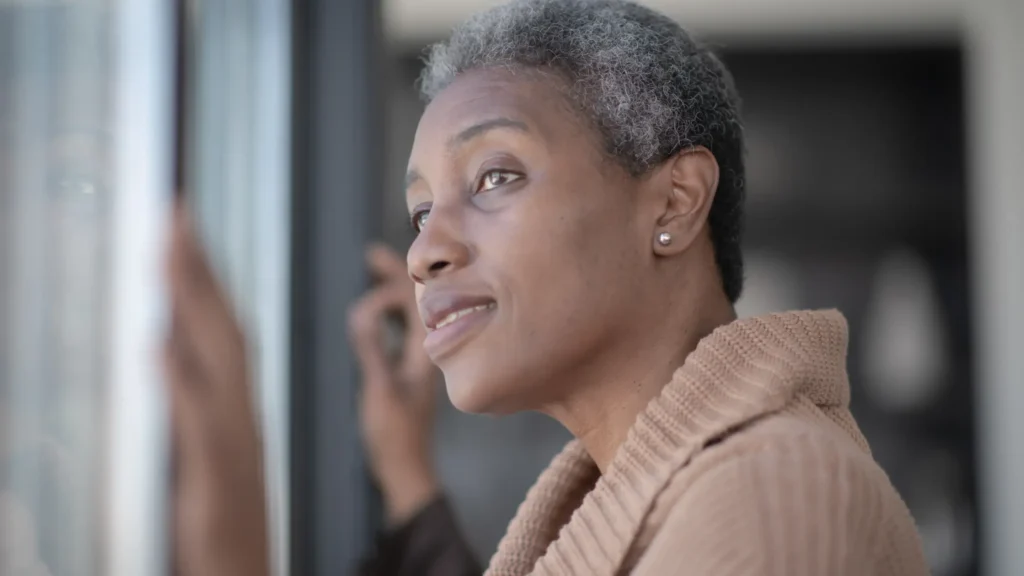
Many women seek medical help for chronic fatigue when, in fact, they are suffering from an emotional collapse. Invisible exhaustion occurs when the “coping reservoir” runs dry. You can sleep eight hours and still wake up exhausted because your brain spent the night processing fears, news of wars, economic uncertainties, and relational conflicts. Identifying that your tiredness is emotional is the first step toward healing; soul exhaustion is not solved simply with physical rest or caffeine, but by reducing the mental load, through presence and self-compassion, and by filtering what we allow into our internal space.
Practical examples of invisible exhaustion:
- News Noise:Consuming tragic news or cases of violence right after waking up puts your nervous system in a state of alert before you even get out of bed.
- Invisible Mental Load: It is the fatigue of being the household "project manager"—not just doing the task, but remembering every detail for everyone.
- Digital Comparison: Scrolling through social media generates emotional exhaustion due to a sense of inadequacy.
- Hunger for Silence: The excess of notifications and constant stimuli prevents the brain from healthily processing the day's emotions.
Facing the shadows: grief, loss, and anxiety
Living fully requires the courage to look at painful emotions without being consumed by them. Emotional balance does not mean being okay all the time; it means knowing what to do with pain when it arrives. Whether it is grief for a loved one, the end of a relationship, a professional defeat, or the heavy fog of depression, we must understand that what is not named and felt remains stagnant within us, draining our vital energy.
Navigating grief and separation
Grief and separation are forms of death—the death of a bond, a routine, or a planned future. Modern society pressures us to “get over it quickly,” but the soul has its own clock. The pain of loss requires a time of withdrawal and the reconstruction of identity. It is necessary to allow yourself to cry, to miss, and even to feel anger, understanding that these are layers of the healing process. Healing is not forgetting, but learning to carry the story without it stopping your ability to move forward.
Understanding depression and heartache
Depression is often the cry of an emotional system that has been overloaded for too long. It can arise after a succession of losses or a long period of living against one’s own essence. Heartache and resentment are like open wounds that, if not treated with forgiveness (especially self-forgiveness) and boundaries, become chronic. Recognizing that you are in a “low” moment is not a sign of weakness, but a sign that your internal structure needs maintenance, silence, and often professional help.Pain is an invitation to introspection.
Practical Reflection
If you are going through one of these shadows right now, do not try to “defeat” the pain. Instead, ask yourself: “What is this pain trying to protect within me?” or “What part of my life needs to be left behind so that I can be reborn?”⬇️
“Healing is not about forgetting, but about learning to carry your story without letting it interrupt your ability to move forward.”🎯
Healthy Boundaries: The Healing "No"
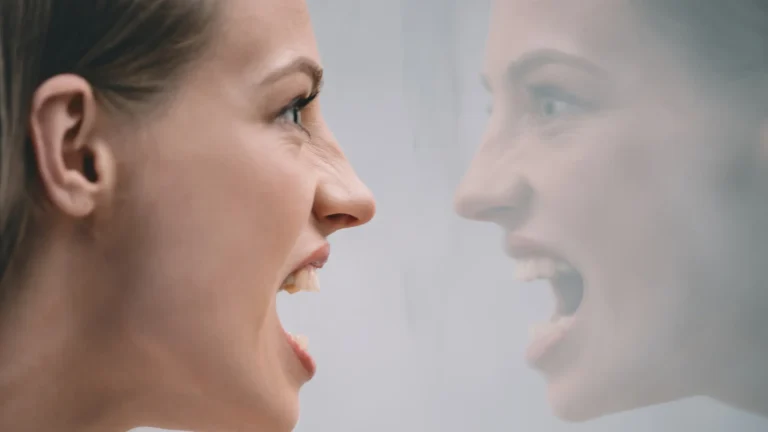
Oftentimes, emotional exhaustion doesn’t come from what we do, but from what we allow. For the woman playing multiple roles, “yes” is usually an automatic survival response or a search for approval. However, every thoughtless “yes” to another is often a “no” to your own mental health. Setting boundaries isn’t building walls to push people away, but designing gates to protect your inner sanctuary. The healing “no” is the one that breaks the cycle of emotional abuse, workplace overwhelm, and self-neglect.
How to apply boundaries in practice
1.The “No” Without Justification: You don’t need to provide a long explanation for not accepting a task or an invitation. “I can’t take this on right now” is a complete and honest sentence.
2.The Digital Time Limit: Set a time to turn off notifications. The world can wait until tomorrow; your peace cannot.
3.Energy Protection: Learn to identify “drain” relationships—those that only take—and change the dynamics by reducing your exposure to them.
Deepening Calm: Emotional Emergency Tools
When shadows like anxiety or grief feel suffocating, the mind loses its ability to reason. In those moments, we need tools that act directly on the nervous system. Here are the practices you can use anywhere:
A. The 5-4-3-2-1 Grounding Technique:
This technique “anchors” your mind in the present through the senses, preventing anxiety from taking you to a catastrophic future or a painful past. Stop where you are and identify:
🙂5 things you can SEE:
Focus on details—the texture of a leaf, the color of a pen.
🖐️4 things you can TOUCH:
Feel the fabric of your clothes, the temperature of your skin, or the hardness of the chair.
👂3 sounds you can HEAR:
The noise of traffic in the distance, your own breathing, the ticking of a clock.
👃2 scents you can SMELL:
The smell of coffee, your perfume, or just the fresh air.
🙂1 thing you can TASTE or an affirmation:
Taste the water or say out loud: “I am safe here now”.
B. Box Breathing
Used by professionals under high stress, this technique signals to the brain that the danger has passed. Repeat the cycle 4 times:
Breath in for a count of 5.
Hold for a count of 5.
Breath out for a count of 5.
Hold empty for a count of 5.
C. The Body Scan: Reconnecting with Your Temple
Close your eyes for 2 minutes and move your attention from your toes to the top of your head. Simply observe the tension and release it with each breath.
Balance as a Daily Journey
Definition:
The Body Scan is an active meditation technique that involves mentally scanning each part of the body, from the tips of your toes to the top of your head. Unlike a common relaxation exercise, it doesn’t require you to “force” relaxation, but rather to observe each sensation (tension, heat, tingling, or neutrality) without judgment.
Goal:
The main goal is to develop interoceptive awareness—the ability to listen to the signals your body sends. For the multitasking woman, the goal is to interrupt “auto-pilot” and identify where stress is being somatized (physically stored) before it turns into chronic pain or an emotional breakdown.
How to Practice (Step-by-Step):
Close your eyes and breathe deeply, feeling the weight of your body where you are sitting or lying down.
Start at the feet: feel the toes, the heel, and the arch. Simply observe.
Move slowly up through the legs, knees, thighs, hips, abdomen, and back.
Notice your shoulders (where we carry the weight of responsibilities), your arms, and your hands.
Finish at the face, relaxing the jaw and the muscles around the eyes.
If you find tension, imagine your breath is “washing” that area and releasing the weight.
Result Achieved:
Upon completing the scan, the result is a state of radical presence. You will feel an immediate reduction in cortisol levels (the stress hormone) and a sense that your mind and body are speaking the same language again. This generates mental clarity for decision-making and a sense of calm that extends through the rest of the day.
Emotional balance is not a destination where you arrive and never leave; it is a constant practice of self-regulation and patience with yourself. It is allowing yourself to mourn losses, but also giving yourself permission to rebuild upon the ashes. You do not need to carry the weight of the entire world; you only need to carry yourself with a little more kindness. Remember that your inner peace is your most precious asset, and protecting it is the first step toward a fulfilling and productive life.
The Path to a Peaceful Mind (The Opportunity)

Oftentimes, even when applying all the organization techniques and calm practices, we feel that our body is still in a state of constant alert. This happens because chronic stress alters our internal chemistry, depleting essential nutrients and dysregulating our rest cycle. To achieve true balance, we must care for the mind, but also provide our organism with the necessary resources so it can truly relax. There is a natural and restorative path through intelligent supplementation, designed to reduce anxiety levels and restore quality to your sleep. By nourishing your body with what it needs to combat excess cortisol, you not only improve your daily performance but also regain the clarity and energy to live each role with much more lightness and presence.
Disclaimer: This post contains affiliate links. If you click and make a purchase, I may receive a small commission at no extra cost to you. Read our full disclosure here.
As an Amazon Associate, I earn from qualifying purchases.
Medical Disclaimer:
The information on Joineluvia is for educational purposes only and is not intended as medical advice. Always consult with a healthcare professional before starting any new supplement or making significant changes to your health routine, especially regarding hormonal balance.
“Every conscious choice is a step toward the woman you were born to be. Invest in your peace, honor your journey, and live with intention. Your best moment begins when you decide to take care of yourself.”